

When it comes to upgrading a modern firearm setup, small accessories often make the biggest difference. One of the most overlooked but important upgrades is rail protection for your handguard. While plastic rail covers have been widely used for years, more builders are now switching to aluminum rail protection for better durability, performance, and long-term value.
In this article, we’ll break down exactly why aluminum rail protection is considered a superior upgrade over traditional plastic rail covers, and how it can improve your overall build quality, comfort, and usability.
Understanding Rail Protection in Modern Builds
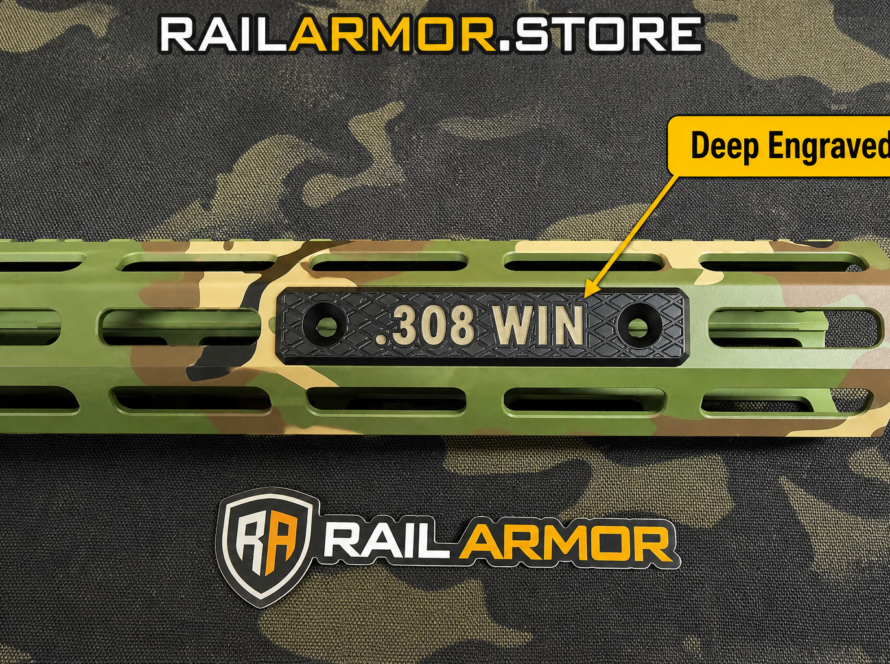
Rail protection, often called rail covers or rail armor, is designed to protect the handguard surface while improving grip and handling. It also helps reduce wear and tear caused by accessories, environmental exposure, and regular use.
Before choosing an upgrade, it’s important to understand the two most common options:
- Plastic Rail Covers – Lightweight, budget-friendly, and easy to install
- Aluminum Rail Protection – Durable, heat-resistant, and performance-focused
While both serve the same basic purpose, their performance levels are very different.
1. Aluminum Offers Superior Durability
The biggest reason users upgrade to aluminum rail protection is strength.
Plastic rail covers are designed for basic protection, but they can:
- Crack under pressure
- Wear down over time
- Lose shape in harsh conditions
On the other hand, aluminum rail protection is built for long-term durability. It can withstand:
- Heavy impact
- Rough handling
- Extreme outdoor conditions
- Continuous use without deformation
This makes aluminum a much more reliable choice for users who want a long-lasting upgrade.
Why durability matters
A handguard is constantly exposed to physical contact and environmental stress. A weak rail cover means less protection for your build. Aluminum solves this problem by acting as a strong protective layer that maintains structure over time.
2. Better Heat Resistance for Extended Use
Heat management is one of the most important factors in rail protection performance.
During extended use, handguards naturally heat up. Plastic rail covers can struggle under high temperatures, becoming uncomfortable or less effective.
Aluminum rail protection performs significantly better because:
- It resists high temperatures
- It distributes heat more evenly
- It maintains structure under continuous use
This results in a more comfortable and stable grip, especially during long sessions.
👉 Related: How Heat Affects Handguard Performance
3. Improved Grip and Handling Control
A good rail system should not only protect your handguard but also improve how it feels in your hands.
Plastic rail covers often provide basic texture, but they can feel less stable during extended use.
Aluminum rail protection offers:
- A firmer and more secure grip surface
- Better control during handling
- Reduced slipping in different conditions
- A more balanced feel overall
This improvement in grip directly translates to better handling confidence and stability.
4. Enhanced Protection for Your Handguard
Your handguard is one of the most exposed parts of your build. It takes direct contact from:
- Accessories
- Storage and transport
- Environmental exposure
- Regular handling
Plastic covers provide minimal protection against long-term wear. Aluminum rail protection, however, acts as a stronger barrier.
It helps to:
- Prevent scratches and dents
- Reduce wear from mounted accessories
- Protect exposed rail sections
- Maintain a clean surface finish
This ensures your setup stays in better condition for longer.
5. More Professional and Premium Appearance
Appearance matters for many builders, especially those who care about customization and aesthetics.
Plastic rail covers often look basic and functional. Aluminum rail protection, however, gives your build a more premium and tactical appearance.
Benefits include:
- Clean, modern design
- Professional finish
- Better visual integration with high-end builds
- More customization options
This upgrade instantly enhances the overall look of your setup.
6. Long-Term Value and Cost Efficiency
At first glance, plastic rail covers may seem more affordable. However, long-term costs tell a different story.
Plastic covers often need:
- Frequent replacement
- Repairs after damage
- Upgrades sooner than expected
Aluminum rail protection offers:
- Longer lifespan
- Higher resistance to damage
- Fewer replacements over time
This makes aluminum a more cost-effective investment in the long run.
Instead of repeatedly replacing cheap parts, users get a durable solution that lasts.
7. Better Compatibility With Modern Builds
Modern firearm builds are becoming more advanced and modular. Aluminum rail protection is designed to work with this evolution.
It is compatible with:
- Popular rail systems
- Modular handguard setups
- Accessory-heavy builds
- Custom configurations
This flexibility makes aluminum ideal for both beginners and advanced builders.
It also ensures your setup remains future-ready as new accessories and systems are introduced.
Plastic Rail Covers vs Aluminum Rail Protection (Full Comparison)
Let’s break down the key differences clearly:
Durability
- Plastic: Moderate, prone to wear
- Aluminum: High, long-lasting performance
Heat Resistance
- Plastic: Limited under high heat
- Aluminum: Excellent heat handling
Grip Quality
- Plastic: Basic texture
- Aluminum: Strong, stable control
Appearance
- Plastic: Simple and functional
- Aluminum: Premium and professional
Long-Term Cost
- Plastic: Lower upfront cost but frequent replacement
- Aluminum: Higher initial cost but better long-term value
How to Choose the Right Aluminum Rail Protection
Not all aluminum rail covers are the same. Choosing the right one depends on your build and usage.
1. Check Compatibility
Make sure the rail protection matches your handguard system (M-LOK, Picatinny, etc.).
2. Focus on Material Quality
Look for high-grade aluminum that balances strength and weight.
3. Consider Weight Balance
A good upgrade should improve durability without making your build too heavy.
4. Match Your Build Style
Choose a design that fits your setup—tactical, minimal, or performance-focused.
Installation and Maintenance Tips
Aluminum rail protection is generally easy to install, but proper setup matters.
Installation Tips:
- Ensure correct alignment before tightening
- Check compatibility with mounting system
- Secure all attachment points properly
Maintenance Tips:
- Clean regularly to avoid buildup
- Inspect for wear or loosened fittings
- Replace damaged sections if needed
Proper maintenance ensures long-term performance and reliability.
Internal Linking Structure (For SEO Optimization)
To improve SEO and site structure, this article can connect to other related content:
- Rail Armor Guide for Handguard Protection
- Best Rail Covers for Modern Builds
- How Heat Affects Handguard Performance
- Handguard Compatibility Guide
- Modern Firearm Build Aesthetics Guide
These internal links help improve:
- User navigation
- SEO authority
- Time on site
- Content relevance
Conclusion
Upgrading from plastic rail covers to aluminum rail protection is one of the most effective improvements you can make to your build. While plastic offers basic functionality, aluminum delivers superior durability, better heat resistance, improved grip, and long-term value.
It also enhances the appearance of your setup and provides better compatibility with modern firearm builds. For anyone looking to improve both performance and aesthetics, aluminum rail protection is the clear upgrade choice.
If you’re planning your next build upgrade, aluminum rail protection is not just an option—it’s a smart investment in quality, performance, and reliability.