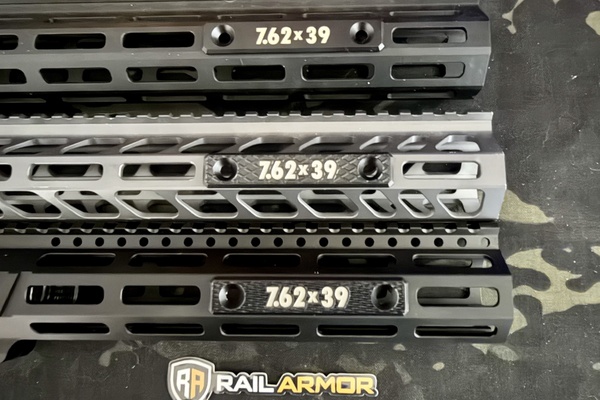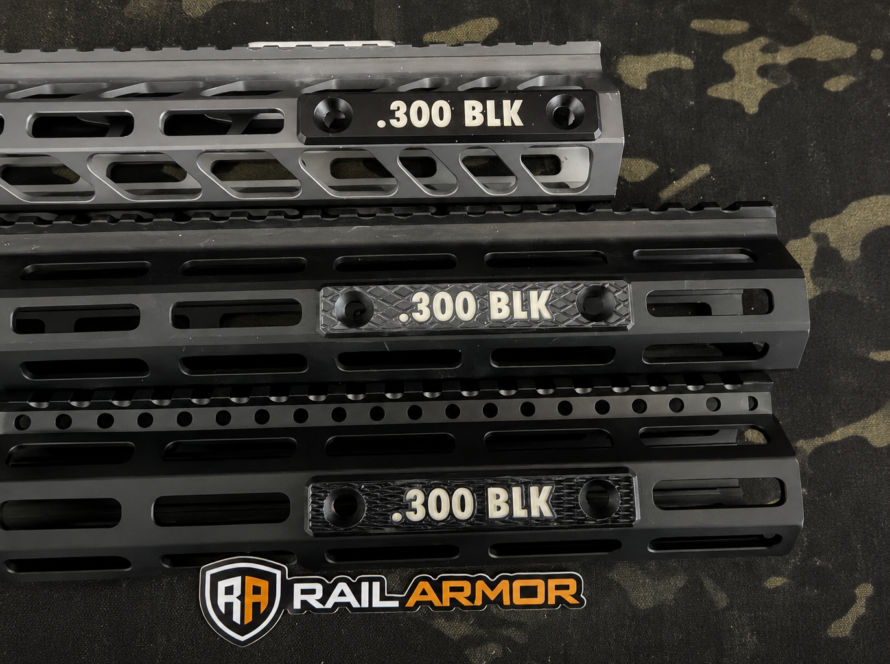


Upgrading an AR-15 is one of the best ways to improve its performance, handling, and overall reliability. With thousands of aftermarket accessories available, it’s easy to customize your rifle to match your specific needs and preferences. However, not every upgrade adds value. In fact, many AR-15 owners make costly mistakes by choosing incompatible parts, sacrificing functionality for appearance, or adding unnecessary accessories.
A well-planned upgrade should enhance control, comfort, and durability without compromising the rifle’s balance or reliability. Whether you’re building your first AR-15 or refining an existing setup, understanding the most common upgrade mistakes can save you time, money, and frustration.
In this guide, we’ll cover the most common mistakes to avoid when upgrading your AR-15 and provide practical tips to help you build a rifle that performs as well as it looks.
Why Smart Upgrades Matter
Every accessory you add should have a clear purpose. While it’s tempting to install the latest accessories, too many unnecessary upgrades can increase weight, reduce maneuverability, and even affect overall performance.
A smart AR-15 upgrade should improve one or more of the following:
- Handling and control
- Comfort during extended use
- Durability and protection
- Reliability in different conditions
- Overall shooting experience
Keeping these goals in mind will help you make better decisions throughout the customization process.
Mistake #1: Prioritizing Appearance Over Performance
One of the most common mistakes is choosing accessories simply because they look good.
Modern AR-15 accessories come in countless styles and finishes, but appearance should never be the deciding factor. A visually impressive rifle won’t perform well if the accessories don’t improve functionality.
Instead, choose upgrades that provide practical benefits such as:
- Better grip
- Increased durability
- Improved comfort
- Enhanced control
- Reliable performance
A professional-looking rifle is built around performance first, with appearance as a bonus.
Mistake #2: Buying Low-Quality Accessories
Price is important, but choosing the cheapest option often leads to disappointment.
Low-quality accessories may:
- Wear out quickly
- Fit poorly
- Loosen over time
- Offer limited protection
- Require frequent replacement
Investing in high-quality components made from durable materials like aircraft-grade aluminum ensures your upgrades last longer and perform more reliably.
Quality accessories may cost more initially, but they usually provide better long-term value.
Mistake #3: Ignoring Handguard Protection
Many builders focus on optics and grips while overlooking one of the most exposed parts of the rifle—the handguard.
Without proper protection, the handguard is vulnerable to:
- Scratches
- Impacts
- Surface wear
- Damage during transport
- Everyday handling
Adding premium rail armor or aluminum rail covers helps protect your handguard while improving grip and comfort.
Protecting your handguard also helps preserve the overall appearance and resale value of your rifle.
Mistake #4: Choosing Plastic Instead of Aluminum Rail Protection
Plastic rail covers have their place, but they often fall short when compared to aluminum alternatives.
Aluminum rail protection offers:
- Superior durability
- Better heat resistance
- Longer lifespan
- Improved impact protection
- A more premium appearance
For shooters who regularly use their AR-15, aluminum provides a stronger and more dependable solution.
Mistake #5: Adding Too Many Accessories
More accessories do not automatically create a better rifle.
Adding excessive equipment can:
- Increase overall weight
- Reduce maneuverability
- Affect balance
- Make handling more difficult
- Complicate maintenance
Before purchasing a new accessory, ask yourself:
- Does it improve performance?
- Will I actually use it?
- Does it solve a specific problem?
If the answer is no, it may not be worth adding.
A lightweight, well-balanced AR-15 is usually more effective than one overloaded with accessories.
Mistake #6: Overlooking Heat Management
Heat is often ignored until it becomes a problem.
During extended shooting sessions, the handguard can become increasingly hot, affecting comfort and grip.
Poor heat management may lead to:
- Hand fatigue
- Reduced grip stability
- Less comfortable handling
- Faster wear on certain accessories
Using heat-resistant rail protection and quality handguard accessories helps maintain comfort while protecting your rifle from excessive wear.
Mistake #7: Ignoring Compatibility
Not every accessory is designed to fit every AR-15.
Before purchasing upgrades, always verify compatibility with your rifle’s:
- Handguard
- Rail system
- Mounting platform
- Barrel configuration
- Existing accessories
Installing incompatible components can lead to poor fitment, wasted money, and unnecessary frustration.
Always confirm specifications before making a purchase.
Mistake #8: Neglecting Ergonomics
Comfort plays a major role in overall performance.
Many shooters overlook ergonomic upgrades that improve handling during extended use.
Important ergonomic accessories include:
- Comfortable pistol grips
- Hand stops
- Vertical or angled foregrips
- Adjustable stocks
- Lightweight slings
These upgrades help reduce fatigue while improving overall control.
Mistake #9: Forgetting About Weight Distribution
Weight matters just as much as total weight.
Even lightweight accessories can make a rifle feel unbalanced if they are concentrated in one area.
Try to distribute accessories evenly across the rifle to maintain natural handling and better maneuverability.
A balanced rifle feels faster, lighter, and more comfortable to operate.
Mistake #10: Failing to Plan Future Upgrades
Many shooters buy accessories one piece at a time without considering how they will work together.
This often results in:
- Duplicate purchases
- Incompatible parts
- Unnecessary spending
- Inconsistent appearance
Before buying anything, create a simple upgrade plan.
Consider:
- Your intended use
- Budget
- Preferred accessories
- Long-term goals
Planning ahead helps ensure every upgrade contributes to a cohesive and functional build.
Tips for Building a Better AR-15
To get the most from your upgrades, follow these best practices:
Choose Quality Over Quantity
Invest in fewer, higher-quality accessories rather than filling your rifle with unnecessary equipment.
Focus on Practical Improvements
Every upgrade should improve control, protection, comfort, or reliability.
Protect Your Investment
Use durable rail protection and quality accessories to reduce long-term wear.
Keep Your Build Lightweight
Avoid adding accessories that provide little practical benefit.
Upgrade Gradually
Test each upgrade before moving on to the next one. This allows you to evaluate how each component affects your rifle’s performance.
Recommended Upgrade Priorities
If you’re upgrading an AR-15 for the first time, consider this order:
- Aluminum M-LOK rail covers
- Rail armor for handguard protection
- Ergonomic grip upgrade
- Adjustable sling
- Weapon-mounted light
- Backup iron sights
- Additional protective accessories
Starting with these essentials creates a solid foundation for future customization.
Conclusion
Upgrading your AR-15 should improve its performance—not complicate it. Avoiding common mistakes such as buying low-quality accessories, ignoring heat management, overloading your rifle, or neglecting compatibility will help you build a firearm that performs reliably in a variety of conditions.
The best AR-15 upgrades focus on durability, comfort, protection, and control. By choosing quality components, planning your build carefully, and investing in practical accessories like aluminum rail protection and handguard protection systems, you’ll create a rifle that is both functional and dependable.
A thoughtful approach to customization ensures that every upgrade serves a purpose, delivering better handling, increased durability, and a more enjoyable shooting experience for years to come.