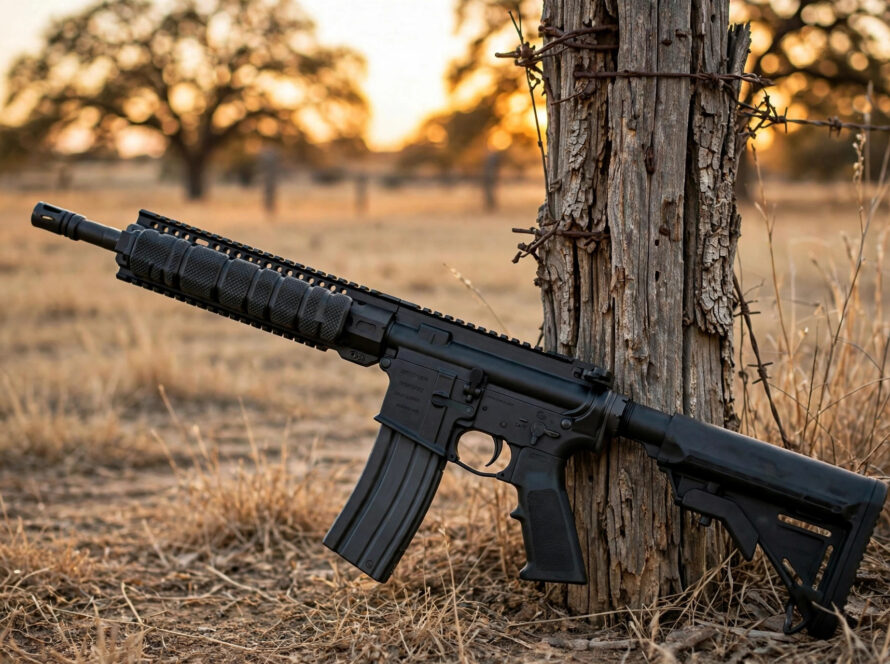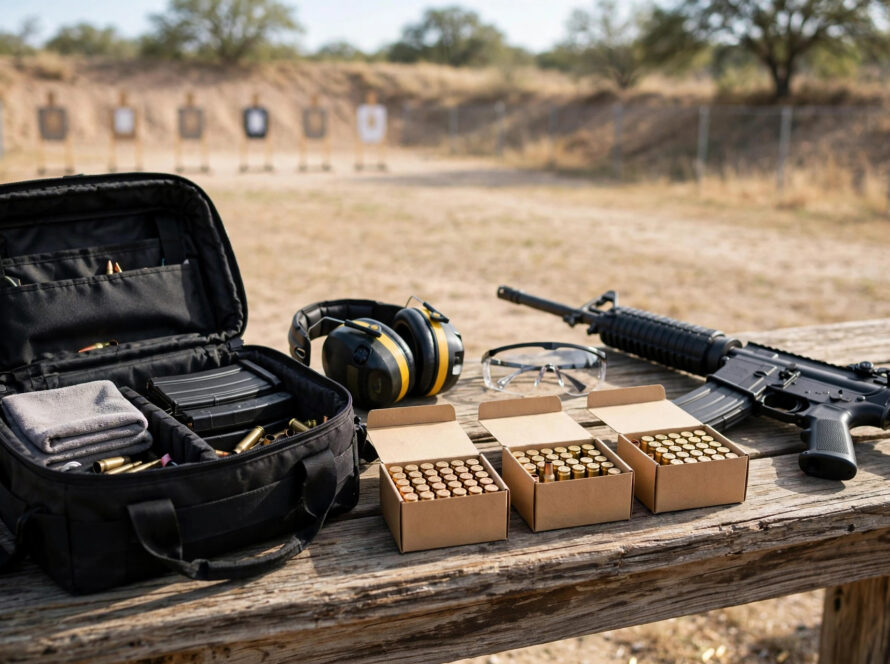

Walk into any Texas hunting camp and start this debate, then stand back. The 6.5 Grendel vs 6.8 SPC argument has been running for years, and both sides have killed a lot of hogs. If you’re building or buying an AR for Texas hunting, here’s the straight comparison.
What each cartridge is
6.5 Grendel — designed for long-range efficiency in the AR-15 platform. Excellent ballistic coefficients, mild recoil, and legitimate reach past 400 yards. The precision shooter’s pick.
6.8 SPC (6.8x43mm) — designed for more terminal energy at short to medium range from short barrels. Hits harder up close, gives up ground past 300 yards. The brush hunter’s pick.
For Texas hogs
Hogs are tough, and Texas hog hunting happens at varied distances — senderos at 200+ yards, brush encounters under 50. Here’s how they stack up:
- Under 200 yards: 6.8 SPC hits harder. On big boars with heavy shoulder shields, that matters. A lot of experienced Texas hog hunters swear by it.
- Past 250 yards: 6.5 Grendel takes over. Flatter trajectory, better wind resistance, more energy retained downrange.
- Ammo availability: 6.8 SPC factory ammo is generally easier to find and cheaper. 6.5 Grendel has caught up but still trails slightly on the shelf.
For Texas whitetail
Both are legal and effective for deer at reasonable ranges with proper bullets. The same distance logic applies: thick brush and feeders favor 6.8 SPC; senderos and open country favor 6.5 Grendel.
Recoil and shootability
Both are mild — anyone comfortable with 5.56 will handle either. The Grendel’s recoil impulse is slightly softer, which helps for fast follow-up shots on running hogs.
The real answer
Most Texas hunters would be well-served by either. Pick based on your longest typical shot: inside 200 yards in brush, lean 6.8 SPC. Regularly stretching past 250 across open country, lean 6.5 Grendel.
One thing both need: caliber marking
Whichever you choose — and especially if you own both — mark your uppers. A 6.5 Grendel round will chamber in some 6.8 SPC chambers (and vice versa is a different kind of bad day). This is exactly what caliber ID plates are for: permanent, impossible-to-miss markings on every upper you own.
Debate’s over. Go hunt. Mark your caliber while you’re at it.